
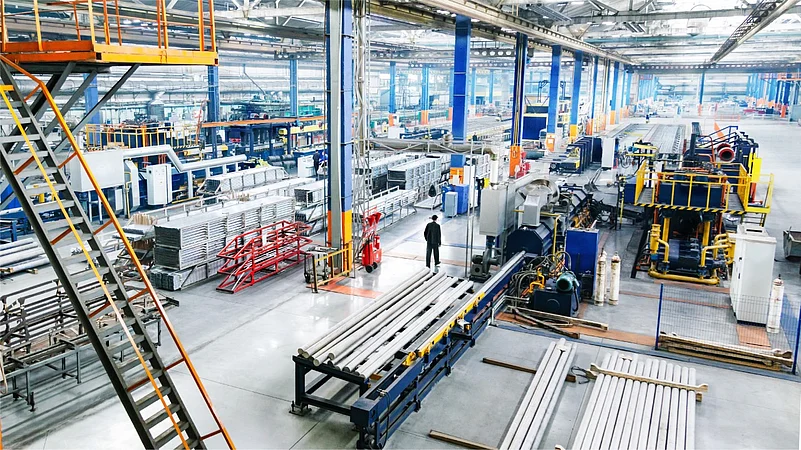
The manufacturing sector has long been the backbone of the global economy, serving as a primary driver of innovation, employment, and productivity. However, the transition from a traditional factory floor to a high-tech, automated, and sustainable production environment requires immense capital investment. Industrial finance acts as the fuel for this transformation, providing the necessary liquidity and credit structures to support large-scale expansion. As manufacturers navigate the complexities of Industry 4.0, supply chain regionalization, and the green energy transition, the role of specialized financial instruments has become more critical than ever.
Industrial finance encompasses a broad range of funding mechanisms, from traditional bank loans and equipment leasing to private equity and government-backed industrial bonds. Unlike general corporate finance, industrial finance is tailored to the unique lifecycle of manufacturing assets, which often involve high upfront costs, long depreciation periods, and significant technological risks. By aligning financial products with the operational realities of the factory, lenders and investors enable manufacturers to scale their operations, upgrade their machinery, and enter new markets with confidence.
The Evolution of Funding for Manufacturing Growth
Historically, manufacturing expansion was funded through internal cash flows or conservative commercial bank loans secured by physical real estate. While these methods remain relevant, the rapid pace of technological change has necessitated more flexible and diverse funding sources. Modern industrial finance is characterized by a shift toward asset-based lending and structured finance solutions that recognize the value of the equipment and the intellectual property involved in production.
One of the most significant shifts in the sector is the move toward “Equipment as a Service” (EaaS) and advanced leasing models. Rather than committing millions of dollars in capital expenditure (CapEx) to purchase a robotic assembly line, manufacturers can now utilize lease-to-own or pay-per-use models. This shifts the financial burden from the balance sheet to operational expenditure (OpEx), allowing companies to preserve cash for research and development or market expansion. This flexibility is particularly vital for small to medium-sized enterprises (SMEs) that may have the technical expertise to grow but lack the massive liquid reserves required for traditional equipment acquisition.
Strategic Capital for Industry 4.0 Integration
The integration of digital technologies into manufacturing—often referred to as Industry 4.0—is perhaps the greatest catalyst for sector expansion today. Smart factories utilize the Internet of Things (IoT), artificial intelligence, and big data to optimize production in real-time. However, the digital thread required to connect these systems is expensive. Industrial finance provides the targeted capital necessary for these “soft” upgrades, which include software licenses, cybersecurity infrastructure, and cloud computing capabilities.
Financial institutions specializing in the industrial sector have begun to offer “digital transformation loans.” These instruments are designed to bridge the gap between traditional hardware financing and the intangible needs of a digital enterprise. By funding the integration of smart sensors and predictive maintenance systems, industrial finance directly contributes to higher profit margins and reduced downtime, which in turn improves the manufacturer’s creditworthiness for future expansion projects.
Government Policy and Public Private Partnerships
In many regions, the manufacturing sector is viewed as a matter of national security and economic sovereignty. Consequently, government-backed industrial finance plays a pivotal role in incentivizing domestic production. Public-private partnerships (PPPs) and state-run industrial development banks offer low-interest loans, tax credits, and grants to businesses that align with national strategic goals, such as semiconductor fabrication or electric vehicle battery production.
-
Subsidized Interest Rates: Governments often provide interest rate subsidies for projects that promote job creation in distressed regions or enhance the nation’s export capabilities.
-
Export Credit Agencies (ECAs): For manufacturers looking to expand globally, ECAs provide insurance and financing that mitigate the risks of selling products in international markets, ensuring that local expansion is supported by global sales.
-
Tax-Exempt Industrial Development Bonds: These allow manufacturers to access low-cost capital for building new facilities or upgrading existing ones, provided the project serves a public purpose such as environmental cleanup or economic revitalization.
The Greening of Industrial Finance
Sustainability is no longer an optional component of manufacturing expansion; it is a fundamental requirement driven by both regulation and consumer demand. Industrial finance is increasingly leaning toward “Green Financing” and Sustainability-Linked Loans (SLLs). These financial products offer better terms to manufacturers that meet specific environmental, social, and governance (ESG) benchmarks, such as reducing carbon emissions or minimizing water waste.
The transition to a circular economy requires significant investment in waste-to-energy systems, carbon capture technology, and renewable energy integration within the factory walls. Industrial lenders are now evaluating “green” assets with the same rigor as traditional machinery. By providing preferential financing for energy-efficient upgrades, industrial finance not only supports the expansion of the sector but also ensures that this growth is sustainable and compliant with emerging global climate standards.
Supply Chain Finance and Resiliency
The disruptions of recent years have highlighted the fragility of global supply chains. As a result, many manufacturers are “near-shoring” or “friend-shoring” their production facilities to be closer to their end markets. This regionalization requires a massive influx of capital to build redundant manufacturing capacity in new geographic areas.
Supply chain finance (SCF) is a specialized subset of industrial finance that allows manufacturers to optimize their working capital by bridging the gap between payables and receivables. By leveraging the credit rating of a large “anchor” manufacturer, smaller suppliers in the chain can access low-cost financing. This strengthens the entire ecosystem, ensuring that when a major manufacturer expands, their supply base has the financial stability to grow alongside them. This collaborative financial approach is essential for building the resilient, localized production networks of the future.
Risk Management in Industrial Lending
Expansion inherently involves risk, particularly in a sector prone to cyclical fluctuations and geopolitical tensions. Industrial finance incorporates sophisticated risk mitigation strategies to protect both the lender and the borrower. This includes political risk insurance for overseas expansions, interest rate swaps to hedge against market volatility, and mezzanine financing that provides a buffer between senior debt and equity.
Furthermore, lenders are increasingly using real-time data from the factory floor to monitor the health of their investments. Through IoT connectivity, a financial institution can track the utilization rates of the machinery they have financed. This transparency allows for more dynamic lending terms, where repayment schedules can be adjusted based on the actual output of the facility. This data-driven approach to industrial finance reduces the likelihood of default and encourages a more symbiotic relationship between the financial and manufacturing sectors.
Frequently Asked Questions
How does asset-based lending differ from traditional commercial loans for manufacturers?
Asset-based lending focuses primarily on the value of the specific industrial assets, such as machinery, inventory, or accounts receivable, as collateral. Traditional commercial loans often rely more heavily on the overall credit history and cash flow of the business. For manufacturers with significant physical footprints but tight cash flow, asset-based lending provides a more accessible path to expansion capital.
What role does private equity play in manufacturing sector expansion?
Private equity firms often provide the “growth capital” required for mid-sized manufacturers to scale rapidly or consolidate through acquisitions. Beyond just providing money, private equity partners frequently bring operational expertise and strategic connections that help a manufacturer professionalize their management and modernize their production processes to compete on a global scale.
Why is “Equipment as a Service” becoming popular in industrial finance?
EaaS allows manufacturers to pay for the use of equipment based on time or output rather than owning the machine outright. This is popular because it reduces the initial capital requirement, transfers the risk of obsolescence to the provider, and ensures that maintenance is handled by experts. It enables rapid expansion without the long-term debt associated with purchasing heavy machinery.
How do Sustainability-Linked Loans benefit the manufacturing industry?
SLLs offer a financial incentive for companies to improve their environmental performance. If a manufacturer hits certain ESG targets, such as a 20 percent reduction in energy consumption, the interest rate on their loan may decrease. This aligns the company’s financial goals with its sustainability commitments, making “green” upgrades more economically viable.
Can industrial finance help small manufacturers compete with larger corporations?
Yes, specialized industrial finance programs, often supported by government initiatives, provide SMEs with access to high-tech machinery and digital tools that would otherwise be cost-prohibitive. By leveling the playing field through accessible credit and leasing options, industrial finance allows smaller players to adopt the same automation and efficiency tools used by global leaders.
What impact does the regionalization of supply chains have on industrial lending?
Regionalization creates a surge in demand for “Greenfield” financing—loans for building entirely new facilities in new locations. Lenders must evaluate the economic stability of new regions and the long-term viability of these localized hubs. This shift has led to an increase in cross-border industrial finance packages that account for local labor laws, construction costs, and tax incentives in newly emerging manufacturing centers.
How does industrial finance address the risk of technological obsolescence?
Lenders and manufacturers use flexible financing structures like shorter-term leases or “technology refresh” clauses. These allow the manufacturer to upgrade to newer versions of a machine before the original loan term is even complete. By building these cycles into the financial agreement, companies can ensure their expansion is built on the most current and efficient technology available.
